
Pike County Bench Warrants Explained
People say "bench warrant," but a judge signing an order from an existing case is what it means. Pike County records tend to use plainer phrases: failure-to-appear warrant, arrest warrant, warrant of arrest. A missed hearing can trigger court action, though the outcome turns on the case and the judge's order. The local rules go further. They make appearance at all court proceedings a condition of bond in Pike County. Break that condition and the court may revoke bond in a summary proceeding and issue an arrest warrant. Nonappearance shows up in criminal, traffic, infraction, ordinance, family, and juvenile matters alike, yet the same result does not follow every time. Only the issuing court's record controls. And Pike County posts no public bench-warrant roster, so no online list can settle the question.
Pike County Bench Warrant Search Route
Pike County runs a courthouse-centered warrant check. Indiana MyCase gives you a public case-search lead. The Pike County Clerk confirms the official court file, and the sheriff answers service, custody, and bond-logistics questions. MyCase is not a statewide warrant-status database, and the sheriff's public menu offers no warrant-search feature.
- Search MyCase by cause number, citation number, or cross-reference number. If no number is known, use the person's accurate name and narrow the results to Pike Circuit Court.
- Review events and orders for failure to appear, warrant, bond revocation, recall, quash, release, or a later hearing. Search All, Open, and Closed status when needed.
- Call the Pike County Clerk at 812-354-6025 or Circuit Court at 812-354-6026. Ask whether the entry is current and which court step is required.
- Call the Sheriff's Office at 812-354-6024 for service, execution, custody, or payment logistics. The jail line is 812-354-1149.
A big search result or an empty one proves little. MyCase caps you at 1,000 results, so a narrow date range can hide an older case. Sealing, expungement, confidentiality, juvenile rules, and missing documents all change what appears. The Pike County clerk remains the official confirmation point for any warrant check.
How Pike County Bench Warrants Are Issued
A Pike County judge or referee acts on the court record itself. Under the local rules, the referee judge may make probable-cause findings and issue arrest warrants in criminal matters. When someone out on bond fails to appear, the court can revoke bond and issue an arrest warrant. Traffic cases run on a separate track. Indiana Code 9-30-3-8 permits a warrant after failure to appear or answer a traffic information or summons.
The flow is direct: required setting → missed appearance or bond violation → court order or warrant → sheriff service or return → later hearing, recall, or other disposition. A clerk records the court events but does not issue legal advice or replace the judge. The sheriff executes and returns process but does not independently erase the order. Only a later court action can change the warrant's legal status.
Do not treat a missed traffic date and a missed misdemeanor date as one procedure. In a traffic case, an unexecuted warrant can reach the Indiana BMV once the statutory period passes. A BMV suspension is not a warrant lookup. And paying a license-related balance does not, by itself, prove the Pike County warrant was recalled.
Pike County Bench Warrant Record Fields
Any warrant inquiry goes better when you keep three things apart: the underlying case, the missed event, and later status changes. No live Pike County sample record is published, so work from the fields a docket actually carries. Case number, issuing court, offense date, warrant type, and status entries tell the story without exposing anyone's name.
| Case or Cause Number | The main identifier connecting the warrant entry to its Pike Circuit Court file. |
|---|---|
| Court and Division | Pike Circuit Court and the assigned criminal, infraction, ordinance, family, or juvenile function when public. |
| Required Event | The hearing, answer, or other appearance the court expected, with its scheduled date when disclosed. |
| Warrant and Bond | The issue date, order basis, and any court-set amount or conditions. |
| Service or Return | Whether law enforcement executed or returned the process, subject to access limits. |
| Later Court Action | A recall, quash, vacate, release, new hearing, or other disposition that may affect current status. |
A next-hearing entry does not cancel a warrant. A "closed" case label may not explain every linked order either. Ask the Pike County clerk to read the current docket status instead of guessing from one screen.
Bench Warrants and Arrest Warrants Compared
Both papers can put a person in custody, but they start differently. A bench warrant usually grows out of a duty the court already imposed, like an appearance condition. An arrest warrant under Indiana Code 35-33-2 comes through a statutory charging and probable-cause process. Either way, the exact Pike County order tells you the current terms.
| Point | Bench or FTA Warrant | Arrest Warrant |
|---|---|---|
| Typical trigger | A missed setting or broken court condition in an existing case | A charging process supported as Indiana law requires |
| Local wording | Failure-to-appear warrant or arrest warrant may appear | Arrest warrant or warrant of arrest |
| Core record | The prior case docket and missed event | The warrant, charge, and supporting court process |
| Status change | The issuing court may recall, quash, or vacate | Service, surrender, court appearance, or later judicial order |
For probable cause, statutory contents, and service, see the Pike County arrest warrant search. Whatever the label, ask the court. A short MyCase event is no substitute for current confirmation.
Pike County Bench Warrant Terms
"Capias" is not the controlling label in Pike County. Indiana materials favor warrant of arrest and failure-to-appear warrant instead. If a docket uses a term you don't recognize, the clerk can identify the underlying order. Don't guess from another state's language.
- Failure to appear (FTA)
- Not appearing or answering when required. The result depends on the case, statute, and court order.
- Recall
- A court action that withdraws or changes a warrant. The exact order must be checked.
- Quash or vacate
- Terms for judicial action that can end or alter an earlier order. They are not automatic after payment or a phone call.
- Bond revocation
- The court's withdrawal of an existing release arrangement after a breach of bond conditions.
- Return
- A record of law-enforcement action on process, such as execution or return unserved.
Several warrant terms can sit close together on the CCS, the chronological case summary. Read the date and the sequence. An old warrant entry followed by a recall is a different Pike County record from an old entry with no later action showing.
Resolving a Pike County Bench Warrant
Resolution starts with the Pike County court that issued the order. The county runs no amnesty event, no online recall form, and no standard walk-in surrender program. Paying a fee, visiting the jail, or updating an address will not clear a warrant on its own. A lawyer can seek a motion, hearing, bond, or planned appearance, though no result is promised.
- Locate the Pike case number, assigned division, warrant event, and any later order in MyCase.
- Ask the clerk what the official docket currently says and whether the court requires a filing, hearing, proof, payment, or personal appearance.
- Ask a licensed Indiana lawyer about custody risk and whether advance arrangements or a motion to recall or quash fit the case.
- Confirm any bond amount and conditions with the court and sheriff. Do not calculate a live release cost from a general schedule.
- After court action, recheck the docket and ask when the sheriff receives the recall or release order. Keep stamped filings and payment receipts.
Caution: Do not ignore a Pike County failure-to-appear warrant or arrive without assessing custody risk and the court's required process.
Posting bond may secure release, but it does not dismiss the case or erase the record. Pike County's local rule and the sheriff's payment page serve different roles. The rule sets the legal framework; the sheriff lists the current payment channels. Confirm which terms apply before you act.
Pike County Bench Warrant Access Rules
Pike County bench warrant files answer to Indiana's Rules on Access to Court Records. Those rules lean toward openness. Sealed files stay closed. Confidential, investigative, juvenile, and medical material is protected too. Criminal Rule 1.2 makes criminal court records accessible under the same limits, so a warrant file is neither automatically public nor automatically secret. The Indiana Public Access Counselor offers statewide public-access guidance.
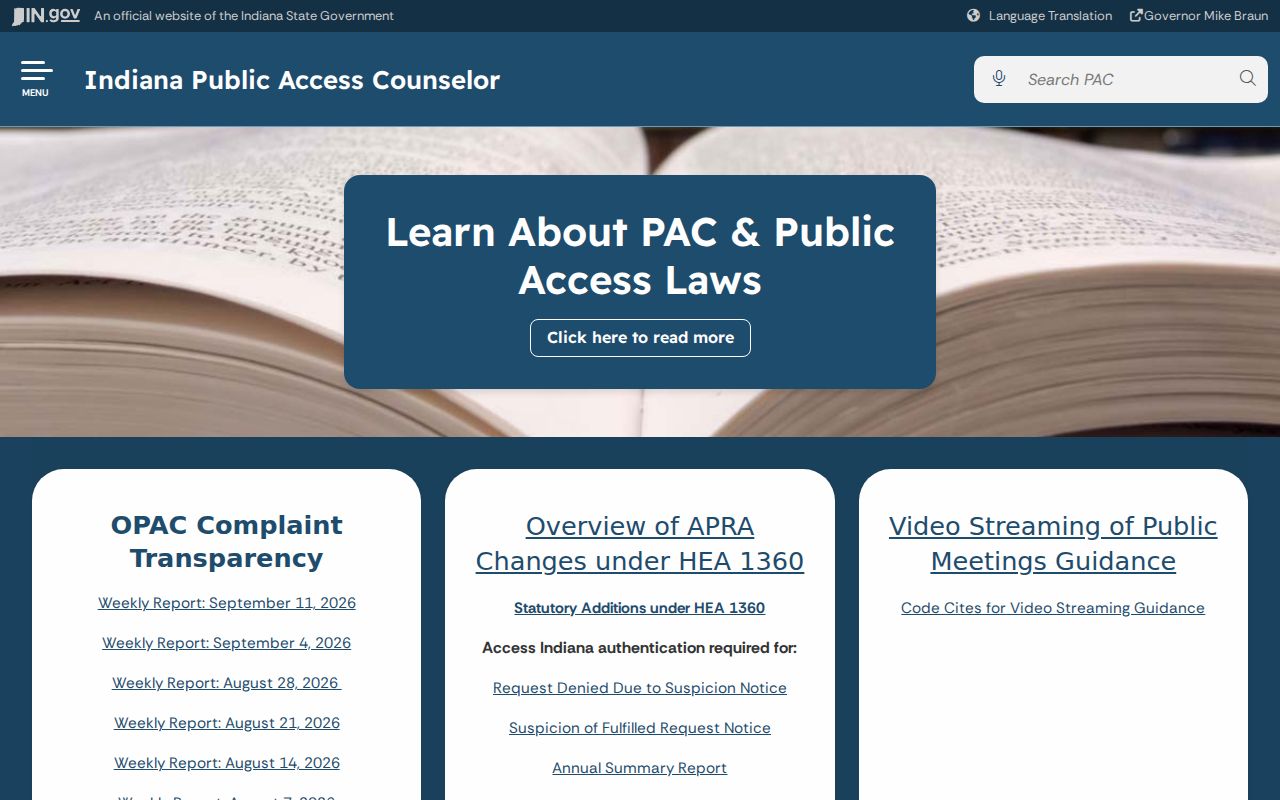
That counselor handles Access to Public Records Act questions. A dispute over a Pike County court file may need the judicial access-rule process instead. Official Indiana public-record request guidance shows why a clear written request helps.
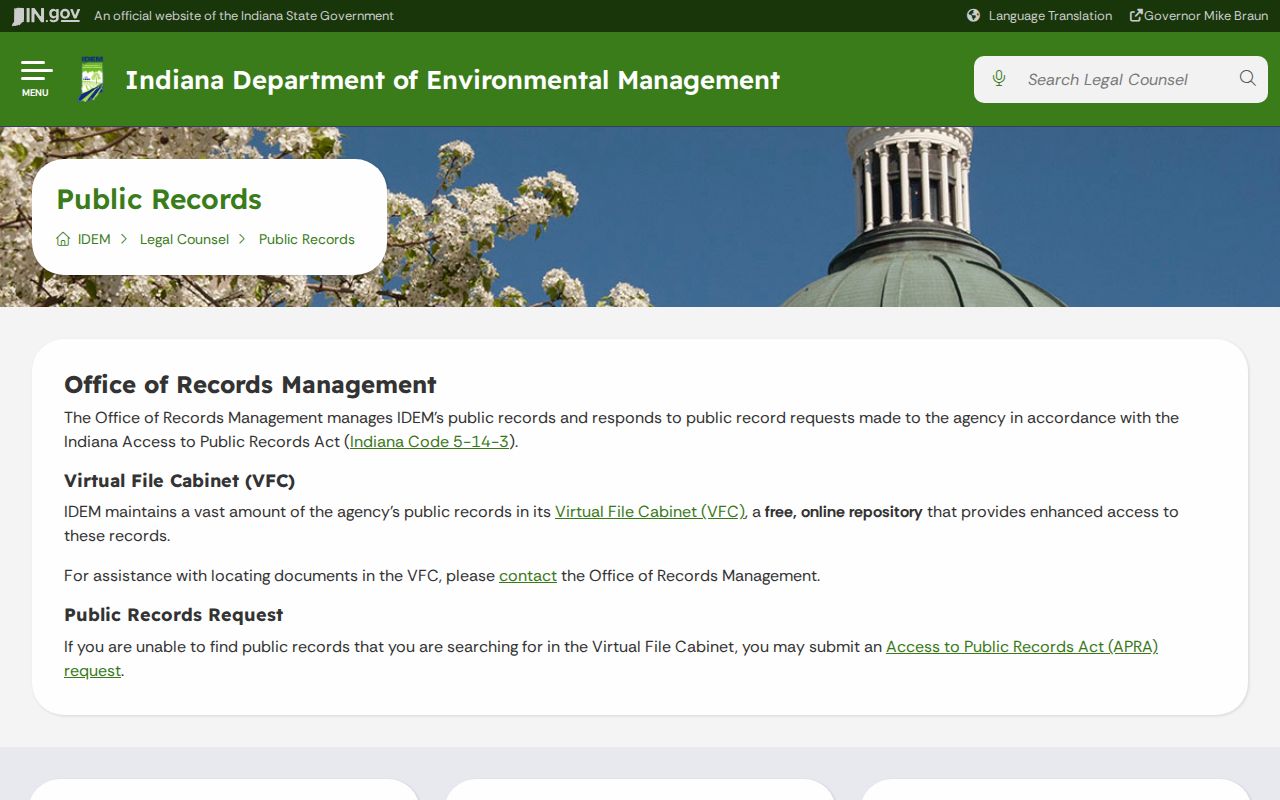
The agency example is not Pike County's fee schedule. Think of it as a method. Name the custodian, the date range, the case or incident number, the records you want, and your preferred format. Then ask for a cost estimate. For sheriff-held records, Pike County's official public-record request page takes mail or in-person requests, and a fee may apply. It is not a warrant-specific form. Ask instead for a service or return record, described with reasonable detail. Want the CCS, the warrant order, or the recall entry? Send that request to the Clerk of the Pike Circuit Court. A custodian may redact protected data and still release a non-exempt part.
Finding the Court That Issued the Warrant
Indiana's court directory for Pike County lists one trial court: Pike Circuit Court. No Pike Superior, municipal, city, town, county, or justice-of-the-peace court exists. Local rules give Pike County's capital, felony, and misdemeanor matters to Circuit Court. Small Claims, Family, and Juvenile functions handle infractions, ordinance violations, juvenile matters, and designated family cases.
Pike County Clerk
Maintains the court file and CCS. Call 812-354-6025 to confirm the current record and required filing route.
Pike Circuit Court
Issues and changes judicial orders. Call 812-354-6026 for court procedure and division confirmation.
Pike County Sheriff
Handles execution, custody, and sheriff-held records. Call 812-354-6024 for the office's required process.
The clerk uses PO Box 125. Circuit Court uses PO Box 467 in Petersburg. The Pike County Criminal and Juvenile Division sits at 801 E. Main Street, 3rd Floor, open weekdays from 8:00 a.m. to 4:00 p.m. with a noon closure. Confirm access before traveling. Petersburg, Winslow, and Spurgeon each have police departments. None of them creates a separate court. A city officer's citation or arrest still routes into Pike Circuit Court, so start with the cause number, not the arresting agency's name.
Pike County Bench Warrant List Gap
The Pike County Sheriff's Office site offers contact, bond, jail, criminal-history, public-record, tip, and body-camera channels. It posts no bench-warrant search. No active-warrant roster, most-wanted list, or warrant-clearance feature appears there either. The office also publishes no numeric Pike County warrant caseload. That gap is useful. Nobody should wait for a name to surface on a sheriff list. Jail totals cannot stand in for bench-warrant totals. An aggregate request could go separately to the clerk and the sheriff, asking for warrants issued, served, returned unserved, recalled, or tied to traffic failure to appear over a stated period. Production is not guaranteed. Practically, MyCase is a lead. Pike Circuit Court holds the authority over its own order. The Pike County clerk confirms the official file. The sheriff handles execution or custody. If arrest seems possible, get legal advice before appearing or traveling. And an online "no result" is never clearance.